Zandvliet WWTW produces significantly improved treated effluent quality
18 February 2025
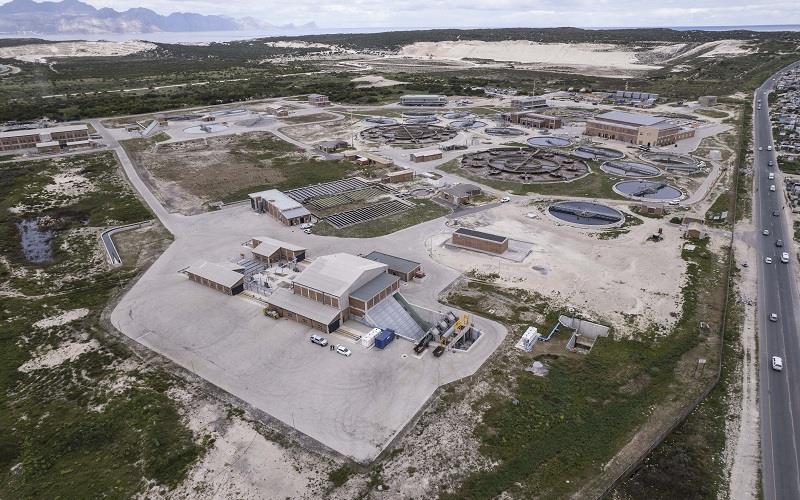
Since the completion of its multi-billion rand upgrade in October 2024, the City of Cape Town’s Zandvliet Wastewater Treatment Works (WWTW) has been producing significantly improved treated effluent, benefitting both the environment and future water reuse initiatives.
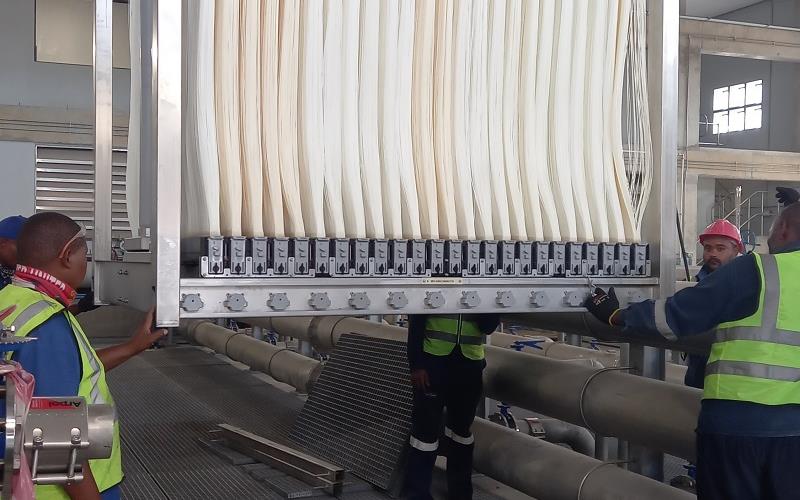
The City invested R2 billion in upgrading and refurbishing the facility, enhancing its conventional activated sludge treatment module and introducing a state-of-the-art membrane treatment module. This advanced technology enables the plant to treat wastewater to the highest standards, while increasing its capacity from 72 to 90 million litres per day (Ml/day).
Zandvliet WWTW treats incoming waste from the sewer network in Khayelitsha, Delft, Kuils River, Blue Downs, Blackheath and Eerste River. These upgrades have been instrumental in ensuring that infrastructure development provides for rapid population growth.
‘Prior to the upgrade, the plant struggled with ageing infrastructure and capacity overload, resulting in a compliance rate of approximately 50% with its licence conditions. Following the enhancements, compliance has surged to 90%, meeting the stringent standards set by the National Department of Water and Sanitation,’ said Councillor Zahid Badroodien, Mayoral Committee Member for Water and Sanitation.
Between July 2022 and June 2023, Zandvliet WWTW’s annual effluent compliance stood at 63%. Following the upgrades, average compliance leaped to 86% between July 2023 and June 2024.
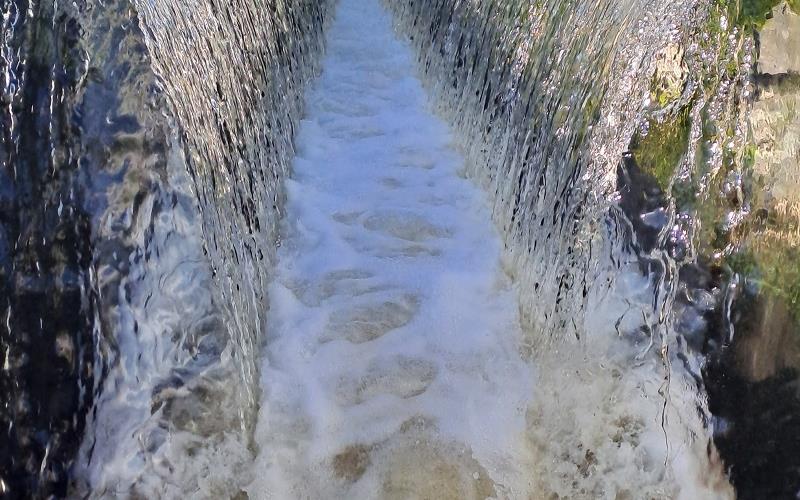
Key drivers of the improved effluent quality include: the addition of primary sedimentation; refurbishment of ageing infrastructure and the expansion of the membrane bioreactor system. This innovative treatment process ensures cleaner, safer water for further treatment for reuse and responsible discharge into the environment.
Zandvliet WWTW is strategically linked to the City’s New Water Programme, particularly its role in future potable water reuse. The high-quality treated effluent from Zandvliet will be transferred to the Faure New Water Scheme, planned to be built on the same grounds as the existing Faure Water Treatment Plant (WTP). There, an advanced multi-barrier purification process will further treat the water to drinking water standards before blending it with dam water. Thereafter it will undergo additional treatment at the existing Faure WTP, then be blended into the water supply system for distribution.
‘Introducing potable water reuse is essential for Cape Town’s long-term water security. Through this initiative, we will be able to augment the City’s drinking water supply by 70 to 100 million litres per day, protecting us from unpredictable climate change and drought.
‘To further bolster treatment capacity, a future expansion project is in the pipeline at Zandvliet WWTW. The next upgrade will add another estimated 60 Ml/day of capacity with improved sludge treatment processes, including energy recovery. Planning is already under way, with construction anticipated to begin in the 2034/2035 financial year.
‘This investment ensures that Cape Town remains ahead of future challenges by continuously improving wastewater treatment capacity and efficiency.
‘Of the approximate R120 billion committed to the City’s 10-year infrastructure pipeline, the Water and Sanitation investment represents 42% of the City’s commitment to infrastructure upgrades and rehabilitation. This financial commitment will not only fund our New Water Programme, but also our investments into much-needed upgrades at our wastewater treatment works. This will allow the city to cope with future population growth and to protect our environment by producing improved treated effluent quality,’ said Councillor Badroodien.
During this financial year (2024/25) R2 billion is earmarked to be spent on extensions and upgrades at WWTWs. WWTW extensions will expand the capacity of key facilities:
• Potsdam: Upgrade from 47 Ml/d to 100 Ml/d (Construction Stage)
• Athlone: Refurbishment and treatment process upgrade Phase 1 (Construction Stage)
• Bellville: Final Phase of refurbishment and treatment process upgrade (Construction Stage)
• Macassar: Upgrade from 34 Ml/d to 80 Ml/d (Design Stage)
In addition to this, other WWTW upgrades include the:
• Wesfleur: Aeration system replacement/refurbishment (currently at awarding tender stage)
• Wildevoëlvlei: Refurbishment and upgrade of the mechanical sludge dewatering facility (tender evaluation stage)
End Published by:
City of Cape Town, Media Office